
How Much Sugar Is In Your Food And Drink?
- Category: Nutrition / Diet
- Date: 05-09-2017
How Much Sugar Is In Your Food And Drink?
Introduction
Have you ever stopped to consider how much sugar you consume on a daily basis? It's easy to overlook the sweet culprit hiding in our favorite foods and drinks. From that sugary soda you crave after a long day to the seemingly innocent breakfast cereal you enjoy each morning, sugar is everywhere. In this article, we'll dive deep into the world of sugar and uncover the truth about its content in our food and drink choices.
The Impact of Excessive Sugar Consumption
Sugar, when consumed in excessive amounts, can wreak havoc on our health. It has been linked to various health conditions, including obesity, diabetes, and heart disease. The more sugar we consume, the more likely we are to experience adverse effects on our well-being. It's crucial to be aware of the potential risks associated with high sugar intake and take steps to make informed dietary choices.
Hidden Sources of Sugar
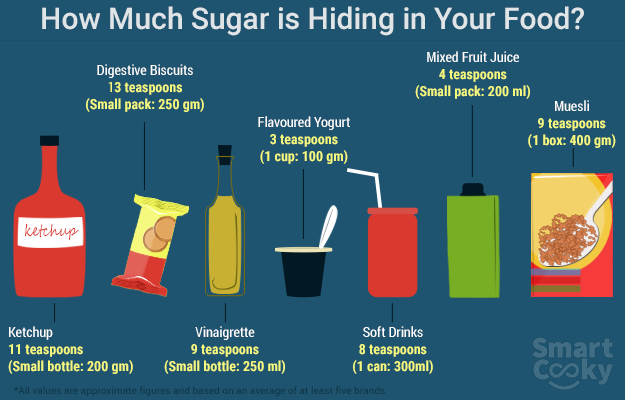
Sugar is not limited to the obvious sweet treats like candies and cookies. It can be found in surprising places, such as salad dressings, ketchup, and even certain types of bread. These hidden sugars in processed foods can quickly add up and contribute to our daily sugar intake without us even realizing it. By understanding where these hidden sources of sugar hide, we can make smarter food choices and better control our sugar consumption.
Sugar Content Labels and Guidelines
When you pick up a packaged food item, have you ever wondered how to decipher the nutritional label? Sugar content labels can be perplexing, but they hold valuable information. Learning to interpret these labels allows us to identify the amount of sugar present in a particular product. Additionally, various health organizations provide guidelines for daily sugar intake, giving us a reference point to evaluate our consumption and make necessary adjustments.
Popular Food and Drink Items: Sugar Breakdown
Let's take a closer look at some popular food and drink items to understand their sugar content better. Beverages like soda, fruit juices, and energy drinks are notorious for their high sugar content. Even seemingly healthier options like flavored water or sports drinks can pack a surprising amount of sugar. Snack foods and desserts, such as chocolate bars and ice cream, can also be major contributors to our sugar intake. By examining the sugar breakdown of these items, we can make more informed choices about what we consume.
Strategies for Reducing Sugar Intake
Reducing sugar intake doesn't mean you have to give up all your favorite foods and drinks. It's about making conscious decisions and finding healthier alternatives. Start by gradually cutting back on added sugars, opting for fresh fruits instead of sugary snacks, and choosing water or unsweetened beverages over sugary sodas. Experiment with natural sweeteners like honey or stevia, and try incorporating more whole foods into your diet. These small steps can lead to significant changes in your sugar consumption and overall health.
The Benefits of Reducing Sugar Intake
Lowering your sugar intake can have a profound impact on your overall health and wellbeing. By reducing the risks associated with excessive sugar consumption, you're taking a proactive approach to your long-term health. Enjoy more stable energy levels, improved dental health, better weight management, and a reduced risk of chronic diseases. Your body will thank you for making conscious choices and prioritizing your well-being.
Conclusion
Sugar lurks in many of the foods and drinks we consume, often in hidden forms. By understanding the sugar content in our favorite items, we can make informed choices and take control of our health. It's crucial to read labels, be mindful of hidden sugars, and gradually reduce our overall sugar intake. Remember, small changes can lead to big improvements in your health and well-being.
FAQs (Frequently Asked Questions)
1. What are some common sources of hidden sugars?
- Answer: Hidden sugars can be found in foods such as cereals, flavored yogurt, granola bars, and even savory condiments like barbecue sauce or salad dressings.
2. How much sugar is considered excessive?
- Answer: The American Heart Association recommends limiting added sugars to no more than 25 grams (6 teaspoons) for women and 36 grams (9 teaspoons) for men per day.
3. Are natural sugars better than added sugars?
- Answer: While natural sugars found in fruits are accompanied by essential nutrients and fiber, added sugars provide empty calories without any nutritional value. It's best to prioritize whole fruits over processed foods with added sugars.
4. Can I substitute artificial sweeteners for sugar?
- Answer: Artificial sweeteners can be an option for reducing calorie intake, but it's important to use them in moderation. Some studies suggest they may have adverse effects on long-term health, so natural sweeteners like stevia or honey are often preferred.
5. How can I satisfy my sweet tooth without consuming excess sugar?
- Answer: Try opting for naturally sweet treats like fresh fruit, dark chocolate with higher cocoa content, or homemade desserts using natural sweeteners. You can also experiment with spices like cinnamon or vanilla to enhance the natural sweetness of foods.